

Traditional furniture retailers still offer better value for most homeowners in 2026, despite the promises of membership-based direct buying programs. After comparing both shopping methods across pricing structures, selection, delivery, and design support, we found that traditional retail’s transparent pricing, flexible shopping experience, and included services deliver more practical value unless you’re planning multiple large purchases that justify a membership investment.
The debate between direct buying programs and conventional furniture stores has intensified as homeowners look for ways to stretch their budgets. Direct buying programs like DirectBuy claim to guarantee members the lowest prices by cutting out retail markups, offering access to manufacturer pricing through paid memberships. Traditional retailers, meanwhile, have responded with their own value propositions including free design services, room planners, and occasional free shipping that stores like Article, West Elm, and Crate & Barrel now provide.
We tested both approaches by examining the actual shopping experience, pricing transparency, and post-purchase support each model offers. The material you choose (solid wood, upholstered pieces, or metal frames) influences your decision differently depending on which shopping method you select. Customizable upholstery options and specialty wood finishes often carry different lead times and pricing structures between direct buying clubs and traditional showrooms.
Our comparison revealed that the “best” choice depends entirely on your purchase timeline, budget size, and how much hands-on guidance you need. Some homeowners genuinely benefit from direct buying access, while others waste membership fees on purchases they could have made more affordably through traditional channels. The following analysis breaks down exactly which approach suits your situation.
At a Glance: Direct Buy vs. Traditional Furniture Retailers
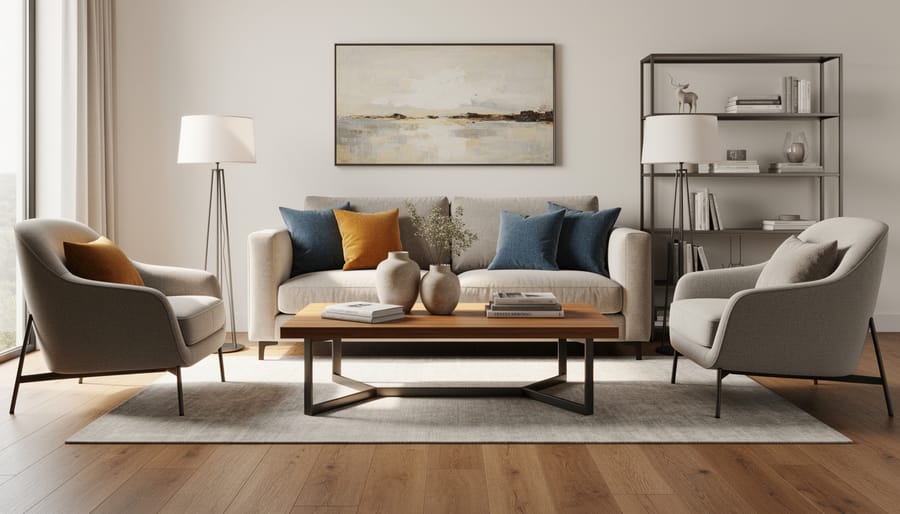
Here’s a quick look at what sets these two furniture shopping approaches apart:
| Feature | Direct Buy Programs | Traditional Retailers |
|---|---|---|
| Pricing Model | Membership-based access with guaranteed lowest prices and price-beating promise | Retail pricing with periodic sales and promotional discounts |
| Membership Required | Yes, upfront membership fee required | No membership needed |
| Selection Access | Browse products for every room through member portal | Curated collections at stores like Article, West Elm, Anthropologie, and Serena & Lily with immediate showroom access |
| Shopping Experience | Focus on wholesale pricing and product access | Design services, free swatches, AI room planners, and hands-on browsing |
Both approaches offer legitimate paths to furnishing your home, but they serve different priorities. Direct buy programs emphasize long-term price advantages through membership access, while traditional retailers provide immediate product availability and value-added services that help you visualize furniture materials and styles in your space before committing.
What Each Shopping Method Offers
The Direct Buy Model
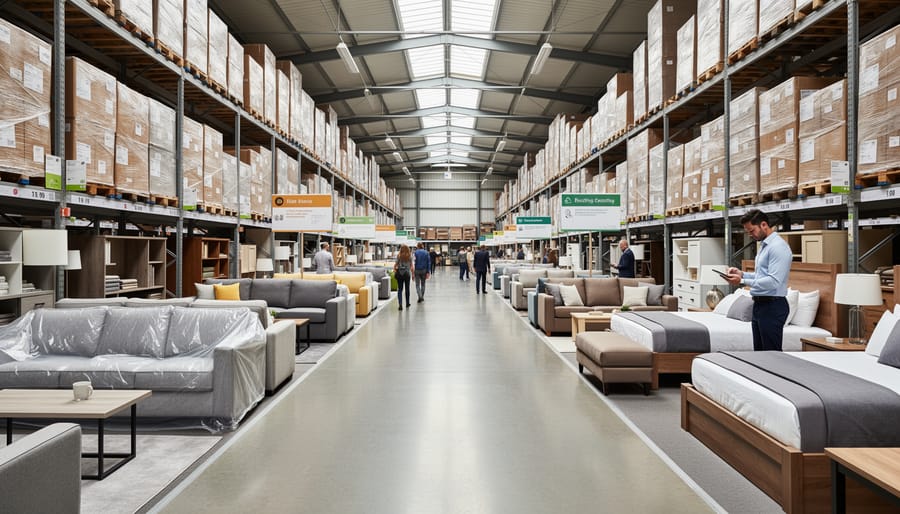
Direct buy programs flip the traditional furniture shopping model on its head by removing the retail middleman. DirectBuy, the most established player in this space, operates on a membership basis: you pay an upfront fee to unlock access to thousands of home furnishing products at wholesale or near-wholesale pricing. Instead of walking into a showroom and paying the marked-up retail price, members browse products online or through the company’s catalog system, then order directly from manufacturers and suppliers.
The core promise is straightforward: guaranteed lowest prices. DirectBuy backs this with a Savings Guarantee that doesn’t just match a competitor’s advertised price but actually beats it. Members can shop furniture for every room in their home, from bedroom sets and dining tables to living room sofas and accent pieces, all through browseable product sections organized by category.
Here’s the fundamental trade-off you’re making: you exchange an upfront membership cost for ongoing access to lower prices. Whether this pays off depends entirely on how much furniture you need to buy and over what timeframe. If you’re furnishing a new home or planning a whole-house refresh, the membership model can make financial sense. We’ve found that buyers tackling single-room projects or occasional purchases often struggle to recoup the membership investment, while those with larger-scale needs appreciate the cumulative savings across multiple orders. The model rewards volume and planning, not impulse buys or one-off purchases.
Traditional Furniture Retailers
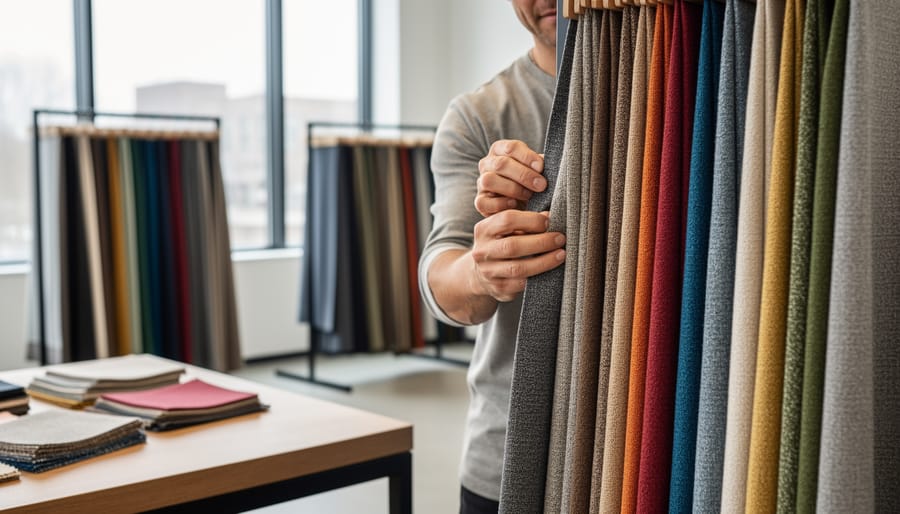
Traditional furniture retailers operate on a familiar shopping model: visit stores, browse displays, and purchase at posted prices. Retailers such as Article, West Elm, Crate & Barrel, Anthropologie, CB2, Serena & Lily, and 1st Dibs follow this approach, each offering curated collections that reflect their distinct design aesthetics.
The traditional retail pricing structure builds in overhead costs for showrooms, sales staff, marketing, and inventory management. These expenses are factored into retail prices, though stores regularly run promotions to attract buyers. Serena & Lily, for instance, has offered its Scallop Side Table at a reduced price during promotional periods, bringing the cost down from its regular listing. Sales events occur throughout the year, giving shoppers opportunities to find pieces at lower price points without membership requirements.
What sets traditional retailers apart is immediate accessibility. You can walk into a showroom, touch fabrics, assess wood finishes, and visualize how pieces fit your space before committing. Many stores have added free swatches, AI room planners, and design services to help homeowners make confident material and style choices. These services are particularly valuable when selecting between wood types, upholstery options, or metal finishes, as you’re getting professional guidance without additional fees.
The trade-off is straightforward: you pay retail pricing in exchange for instant product access, hands-on evaluation, and support services. For smaller projects or style-focused shopping where seeing materials in person matters, this model delivers tangible value beyond just the furniture itself.
Head-to-Head: Comparing Your Options Across Key Factors
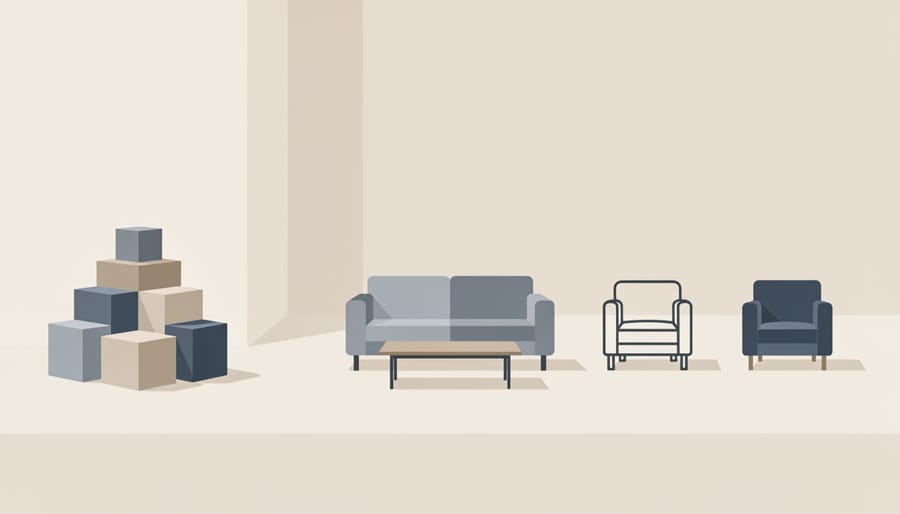
Price and Savings Potential
The fundamental difference comes down to this: direct buy programs promise guaranteed lowest prices through membership fees, while traditional retailers use retail markups offset by periodic promotions. DirectBuy’s model centers on a membership that guarantees members the lowest prices on thousands of products, backed by a Savings Guarantee that beats any lower market price you find. Traditional stores like Article, West Elm, and Serena & Lily build retail margins into their list prices but run sales throughout the year.
Pros
- DirectBuy membership eliminates retail markup and guarantees price-beating on any lower competitor price you find.
- Traditional retailers require no upfront membership cost and let you buy single pieces without commitment.
- Promotional pricing at stores like Serena & Lily offers immediate discounts without joining a program.
Cons
- Direct buy requires paying membership fees before you see any furniture savings.
- Traditional retail list prices include markups that may exceed what you’d pay through wholesale access.
- Sales at traditional stores are unpredictable and may not align with your furnishing timeline.
How furniture materials factor into pricing varies between models. Walnut furniture and other solid wood pieces carry higher base costs in both channels, but the percentage difference between wholesale and retail can be substantial on premium materials. Upholstered pieces with quality fabrics show similar dynamics. The direct buy approach gives you access to wholesale pricing across all materials, while traditional retailers may discount certain materials more aggressively during sales. The calculation turns on whether your membership investment pays off across the total volume and material quality you’re planning to purchase.
Selection and Product Availability
DirectBuy’s model provides access to products across every room category through a browseable selection system, giving members the ability to explore options beyond what sits on a single retailer’s showroom floor. We found this breadth particularly useful when working through a home design checklist that spans multiple spaces, as you’re not limited to one store’s curated aesthetic.
Traditional retailers take the opposite approach. Stores like Article, West Elm, Anthropologie, and CB2 offer carefully edited collections that reflect specific design points of view. This curation means you’re choosing from a narrower but more cohesive range of styles and materials, mid-century modern at Article, eclectic global influences at Anthropologie, contemporary minimalism at CB2.
The trade-off comes down to touch and customization. Traditional retailers let you see furniture materials firsthand, test upholstery fabrics, and gauge wood finishes in person. Many provide free swatches and design services to help you choose. Direct buy programs typically lack showrooms, so you’re selecting from catalogues without the tactile experience. Customization options exist in both models, though the extent varies by manufacturer and product line rather than by shopping method itself.
Delivery Speed and Shipping Costs
Delivery timelines and shipping costs represent a trade-off between models that directly impacts your project schedule and budget. Traditional retailers vary widely: some online furniture stores ship items quickly and occasionally free, while others charge for delivery or build in those costs through higher prices. Ready-to-assemble pieces in lighter materials like engineered wood or metal often arrive fastest, sometimes within a week or two, because they ship flat-packed. Solid wood furniture, upholstered sofas, and custom pieces take longer regardless of where you buy them, as these materials require more production and careful handling during transit.
Direct buy programs typically involve longer lead times because you’re ordering from manufacturers rather than pulling stock from a warehouse. The exact timeframe depends on the specific product and maker, but expect that custom or made-to-order furniture will take additional weeks compared to in-stock retail items. You’ll want to factor delivery costs into your total savings calculation for both models, and consider whether the retailer includes white-glove service or room-of-choice placement. Many traditional stores now offer free interior design help and other conveniences that offset shipping fees, while direct buy focuses savings purely on product pricing.
Design Services and Shopping Support
Traditional furniture retailers have built their service offerings around making the shopping process easier and more confident. Many stores now provide free fabric and finish swatches you can review at home, which helps you see how materials look in your actual lighting before committing. AI-powered room planners let you visualize pieces in your space, and complimentary design consultations guide you through coordinating wood tones, upholstery choices, and metal finishes across your room. These services prove especially valuable when you’re mixing furniture materials or trying to match existing pieces.
Direct buy programs take a different approach. They concentrate their value proposition on pricing rather than shopping support. You’ll typically browse products independently, make material and style decisions without in-store guidance, and rely on product specifications rather than hands-on samples. This works well if you already know what furniture materials and styles you want, but it means you’re navigating choices like wood species, fabric durability, and finish compatibility on your own. The trade-off is straightforward: traditional retailers invest in services that reduce buyer hesitation, while direct buy channels strip away that support to maintain their price advantage.
Return Policies and Protection
Return policies differ significantly between direct buy programs and traditional furniture retailers, making protection terms a crucial comparison point when investing in pieces for your home.
Traditional retailers typically offer more transparent return windows. Most furniture stores publish clear policies on their websites, though terms vary widely by retailer and product type. When shopping at stores like Article, West Elm, or Anthropologie, you’ll generally find stated return periods and conditions upfront. However, large furniture items often carry different terms than smaller accessories, and custom or upholstered pieces may be final sale.
Direct buy membership programs handle returns differently. Since you’re accessing products through a wholesale-adjacent model, protection terms may depend on the specific manufacturer rather than a uniform program policy. This means you’ll need to ask about coverage for each purchase individually.
Before committing to either model, ask specific questions: What’s the return window? Are there restocking fees? Who handles damage claims, the retailer or manufacturer? Does the policy cover defects only, or buyer’s remorse too? How do custom orders and specific materials (upholstery versus wood, for example) affect your protection?
Also consider practical protection beyond formal policies. Proper furniture cleaning and maintenance extend the life of any piece, regardless of where you bought it. Some traditional retailers bundle care plans or extended warranties into their service offerings, which can provide peace of mind for significant investments.
The takeaway: traditional retail generally offers clearer, more standardized return terms, while direct buy requires more upfront research per purchase to understand your protection.
Membership Costs and Commitment
Direct buy programs require an upfront membership investment, and deciding whether it makes sense comes down to simple math and honest planning. Calculate the total you plan to spend on furniture over the next year or two. If you’re furnishing multiple rooms or investing in quality pieces across your home, the membership could pay for itself quickly through the guaranteed price matching and wholesale access. If you’re buying just a sofa or a dining table, traditional retail sales might serve you better.
Consider your timeline too. Direct buy works best when you can plan purchases strategically rather than needing everything immediately. Think about whether you’re committed to completing your furnishing project within a reasonable window, because the membership value diminishes if it sits unused. We’ve found homeowners get the most benefit when they tackle whole-room or whole-home projects where the cumulative savings offset the initial fee.
Which Approach Is Right for Your Furniture Needs?
Choosing between direct buy and traditional retail comes down to your specific furnishing project, timeline, and priorities. Neither approach universally beats the other; the right choice depends on matching the model’s strengths to your situation.
When Direct Buy Makes Sense
Direct buy programs excel for homeowners tackling large-scale furnishing projects where the membership investment can be recouped across multiple purchases. If you’re furnishing an entire home, renovating several rooms, or planning staged purchases over the coming year, the guaranteed lowest-price model and price-beating promise can deliver substantial value. This approach works particularly well when you have the flexibility to wait for delivery, since ordering directly from manufacturers may involve longer lead times than buying in-stock retail pieces. Direct buy also suits buyers who prioritize price above immediate access and are comfortable making selections without in-person showroom browsing.
When Traditional Retail Serves You Better
Traditional furniture stores like Article, West Elm, Crate & Barrel, and Anthropologie excel for single-room updates, style-focused shoppers, and projects with tight timelines. These retailers offer immediate showroom access to see and touch pieces before buying, plus design services and free swatches that help you make confident material and style choices. The promotional pricing many stores offer can compete effectively on individual pieces, and the ability to walk out with your purchase or receive quick delivery meets urgent needs that direct buy cannot match.
Buyer Profile Guide
- Whole-home furnishing or multi-room renovation: direct buy programs offer the best potential value when membership costs spread across many purchases.
- Single-room updates or one-off pieces: traditional retail avoids membership fees and provides immediate access to curated selections.
- Budget-conscious with flexible timelines: direct buy’s guaranteed pricing works when you can wait for delivery and plan purchases strategically.
- Design-service seekers or style explorers: traditional retailers provide hands-on showroom experiences, expert advice, and visualization tools that simplify material and style decisions.
- Quick turnaround needs: traditional retail with in-stock items delivers faster than manufacturer-direct ordering.
Your furniture material preferences also factor into the decision. If you’re seeking solid wood pieces, upholstered furniture in specific fabrics, or metal accents, consider which model gives you better access to the materials and customization options you want. Traditional retailers curate collections around current design trends, while direct buy programs offer broader manufacturer catalogs that may include more material choices.
Calculate your planned spending against membership costs, evaluate your timeline, and consider where to shop based on the factors that matter most for your project. Both models can deliver value when matched to the right homeowner situation.
What Each Option Is
Direct Buy Programs
Direct buy programs are membership-based shopping services that give homeowners access to furniture and home products at wholesale or near-wholesale pricing. Members pay an upfront fee to join, then browse and purchase from suppliers who typically sell only to trade professionals or retailers. DirectBuy operates on this model, offering furniture for every room through a browseable products section and guaranteeing members the lowest prices on thousands of products and top brands. The core promise is simple: you pay to access the buying power normally reserved for interior designers and retailers, eliminating the retail markup. The trade-off is that you commit to a membership fee before you shop, betting that your savings will offset that initial cost.
Traditional Furniture Retailers
Traditional furniture retailers are the standard shopping model most homeowners know: walk into a showroom or browse online, see styled furniture displays, and purchase at the listed retail price. This category includes both brick-and-mortar chains and online stores like Article, West Elm, Crate & Barrel, Anthropologie, CB2, Serena & Lily, and 1st Dibs. Many offer free swatches, AI room planners, and design services to help you visualize pieces in your space. You pay no membership fee, can touch and see furniture before buying, and often benefit from seasonal sales and promotions. Some online furniture stores ship items quickly and occasionally free, making the process straightforward from selection to delivery.
Who Should Choose Which
Choose direct buy furniture if you’re planning a whole-home furnishing project or regularly purchase furniture and home products. The membership model makes sense when you’ll buy enough pieces to offset the joining fee through accumulated price savings. It’s particularly valuable if you’re comfortable researching materials and styles independently, know what you want (perhaps after buying Jaymar or similar brands before), and can wait for delivery while planning your space. Direct buy works well for long-term homeowners who view the membership as an investment across multiple rooms and years.
Choose traditional retailers if you’re furnishing a single room, need pieces quickly, or value in-person shopping with immediate visual confirmation. Retail stores excel when you want design services, need to match existing decor precisely, or prefer touching fabrics and testing comfort before purchasing. They’re ideal for style-focused shoppers who appreciate curated collections and seasonal sales, or anyone uncertain about furniture materials who needs expert guidance on topics like how to clean wooden furniture after purchase. The no-membership approach suits renters and anyone prioritizing flexibility over bulk buying power.
Direct Buy Furniture vs Traditional Retailers Terms to Know
Understanding the vocabulary behind these shopping models helps you evaluate which approach fits your project. Here are the key terms that shape how direct buy and traditional retail furniture shopping work.
- Wholesale Pricing
- The base price manufacturers charge to retailers before markup, which direct buy programs claim to offer members through their wholesale access model. Traditional retailers add their margins on top of this foundation cost.
- Membership Program
- A pay-to-access shopping model where you pay an upfront fee to gain entry to reduced pricing structures, as used by DirectBuy and similar platforms. This shifts the cost from per-item markups to an entry barrier.
- Retail Markup
- The difference between what a store pays for furniture and what they charge you, covering their operating costs, showroom expenses, and profit margin. This markup varies widely across traditional retailers and product categories.
- Savings Guarantee
- A promise by some direct buy programs to beat any competitor’s advertised price, not just match it. This policy aims to ensure members always get the lowest available market price on comparable items.
- Design Services
- Complimentary or paid consultations that many traditional retailers provide to help you select pieces, coordinate materials, and plan room layouts. These value-added offerings can offset higher per-item costs for style-focused shoppers.
These terms come up repeatedly when comparing the two models, so knowing what each means clarifies the trade-offs you’re weighing. The membership versus markup distinction drives most of the practical differences between how direct buy and traditional retail furniture shopping operate day to day.
Common Questions About Direct Buy vs. Traditional Furniture Shopping
How does DirectBuy’s pricing guarantee work?
DirectBuy guarantees members the lowest prices on products and top brands through its Savings Guarantee program, which promises to not just meet a competitor’s lower price but actually beat it. This membership-based model gives you access to wholesale or near-wholesale pricing across thousands of home furnishing options.
Do traditional retailers ever beat direct buy prices?
Traditional retailers frequently run promotional sales that can deliver competitive pricing on select items, for example, retailers like Serena & Lily offer periodic discounts on pieces across their collections. Whether these promotions beat membership pricing depends on your specific purchases and the membership cost recovery calculation for your project scope.
Which option offers better selection for specific furniture materials?
DirectBuy provides browseable products for every room, giving you broad access to multiple materials and brands. Traditional retailers like Article, West Elm, Anthropologie, and Crate & Barrel offer curated collections with more limited but carefully styled options, plus the advantage of seeing and touching materials like wood finishes, upholstery fabrics, and metal hardware before committing.
Is a membership worth it for small projects?
For furnishing just one or two rooms, the upfront membership investment typically doesn’t make financial sense. Traditional retailers shine for smaller projects, especially when you factor in their free swatches, design services, AI room planners, and the ability to take advantage of occasional sales without any membership commitment.
We’ve found that homeowners get the most value from their shopping method choice when they honestly assess their project scale and timeline before committing. If you’re furnishing an entire home or planning multiple room updates over the next year or two, run the numbers on membership costs against your expected purchases to see if the guaranteed pricing model pencils out.
For those prioritizing specific furniture materials like solid wood dining tables or high-quality upholstered pieces, consider whether you need to physically evaluate grain patterns, fabric textures, and finish quality before buying. Many of our community members have shared that touching materials matters more for investment pieces, while others appreciate the broader selection access that direct buy programs provide for materials they already know they want.
The best approach combines careful calculation with realistic assessment of your shopping preferences. Calculate your furnishing budget, estimate how many pieces you’ll buy, and factor in whether services like design consultation and quick returns add enough value to offset potential pricing differences.
Choosing between direct buy programs and traditional furniture retailers ultimately comes down to your project scope and shopping priorities. If you’re furnishing multiple rooms or undertaking a major home renovation, a membership model with guaranteed lowest prices and price-beating promises could deliver meaningful value once the upfront cost is absorbed across numerous purchases. For smaller projects, a single room refresh, or style-driven shopping where you want to touch fabrics and see finishes in person, traditional retailers offer immediate showroom access, frequent promotional pricing, design services, and the ability to take advantage of sales without membership commitments.
Neither approach is universally superior. Calculate your actual furnishing needs, timeline, and budget flexibility before committing to a membership fee or assuming promotional discounts will meet your savings goals. Consider how your preferred furniture materials, whether solid wood pieces, upholstered seating, or metal accents, factor into pricing, customization options, and delivery across both models.
We’d love to hear about your furniture shopping experiences. Have you tried a direct buy program or found exceptional value at traditional retailers? Share your insights with the Gage Furniture community and help fellow homeowners make informed decisions for their spaces.
Abacus Furniture: The Ancient Counting Tool Reimagined in Modern Woodworking
Traditional furniture retailers still offer better value for most homeowners in 2026, despite the promises of membership-based direct buying programs. After comparing both shopping methods across pricing structures, selection, delivery, and design support, we found that traditional retail’s transparent pricing, flexible shopping experience, and included services deliver more practical value unless you’re planning multiple large purchases that justify a membership investment. The debate between direct buying programs and conventional furniture stores has intensified as homeowners look for ways to stretch their budgets. ...