

Abacus furniture refers to pieces that incorporate the visual or functional design element of an abacus, the ancient counting tool with beads sliding along rods or wires. These designs typically feature horizontal rods threaded with movable wooden or metal beads, creating both a distinctive aesthetic and sometimes an interactive element. You’ll find this style most commonly in shelving units, room dividers, headboards, and decorative cabinets where the abacus framework serves as a modern, geometric pattern that adds texture and visual interest to any room.
The appeal of abacus furniture lies in its versatility. The repeating bead-and-rod structure creates natural storage compartments while maintaining an open, airy feel that works beautifully in contemporary and mid-century modern spaces. The movable beads offer a tactile, playful quality that’s particularly engaging in children’s rooms or creative workspaces, though fixed-bead versions provide the same striking look without the interactive component.
For DIY enthusiasts, building abacus-inspired pieces can be a rewarding intermediate-level project. The basic construction requires precise drilling for rod alignment and careful bead sizing, but the modular nature means you can start small with a simple wall shelf before tackling larger furniture builds. Woodworkers appreciate how the design showcases different wood species, with contrasting beads and frames creating dramatic visual effects.
Whether you’re drawn to abacus furniture for its mathematical heritage, its geometric beauty, or its practical storage solutions, understanding how these pieces are constructed and where they work best in your home will help you make confident choices. The style has seen renewed interest in 2026 as homeowners seek furniture that balances form with personality.
What Makes Abacus Furniture Different
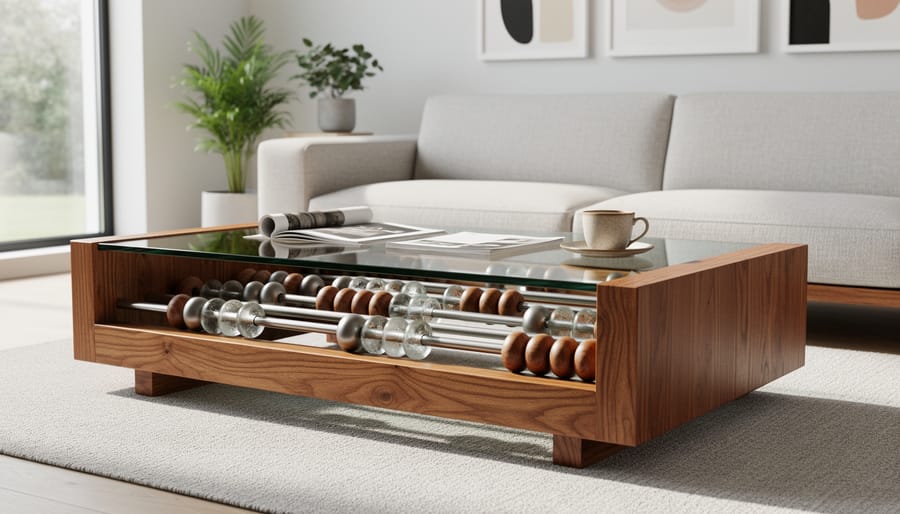
Abacus furniture stands apart from conventional pieces by serving two masters: form and function. Unlike a standard coffee table or desk, these pieces incorporate working abacus frames directly into their structure. You might find a living room table with sliding beads embedded along one edge, a child’s desk featuring counting rods across the top surface, or even a bookshelf with an abacus panel built into its side. Each piece maintains full furniture functionality while offering hands-on mathematical engagement.
The design integration varies widely. Some craftspeople create subtle installations where the abacus element blends seamlessly with the furniture’s lines, appearing almost as decorative detailing until someone reaches out to manipulate the beads. Others make the counting tool the centerpiece, building the entire furniture form around a prominent abacus frame that becomes the focal point of the room. Coffee tables might feature a removable abacus top that doubles as a lap board. Children’s desks often incorporate vertical abacus panels that slide out from the desktop when needed.
This dual-purpose approach offers genuine value beyond novelty. For families with young children, research shows that abacus skills improve math proficiency and mental calculation abilities. Having counting tools integrated into everyday furniture normalizes mathematical play, making calculation practice feel less like structured learning and more like natural exploration. Kids interact with the abacus while sitting at their desk or playing near the coffee table, building number sense through repeated casual engagement rather than forced study sessions.
The aesthetic appeal shouldn’t be underestimated either. Well-crafted abacus furniture carries visual weight through repetition and pattern. The rhythmic lines of counting rods and the colorful beads create movement and texture that plain surfaces lack. In adult spaces, these pieces serve as conversation starters and sculptural elements that bridge traditional craft with contemporary design sensibilities.
The Woodworking Techniques Behind Abacus Furniture
Choosing the Right Wood
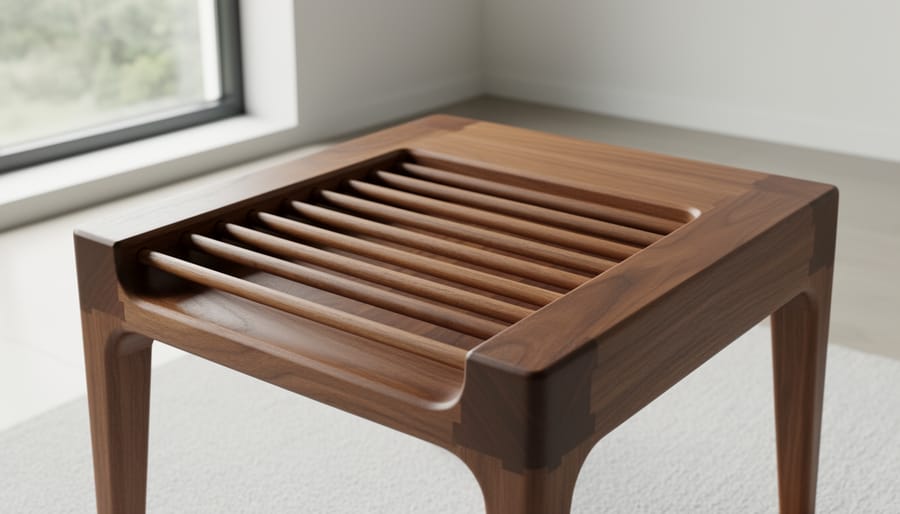
Selecting the appropriate wood species for your abacus furniture project directly impacts both its longevity and usability. Hardwoods like maple, oak, and cherry stand out as premier choices because they resist warping and denting while providing the smooth, stable surface essential for beads to glide effortlessly along the rods. Maple, in particular, offers a tight grain that finishes beautifully and withstands the repeated handling common in educational pieces.
For frames and structural components, consider how the wood’s natural color and grain pattern will complement your existing décor. Walnut brings rich, dark tones that suit modern interiors, while lighter woods like ash create a Scandinavian aesthetic. The wood’s hardness rating matters too, you need sufficient density to hold rod mounting hardware securely without splitting, yet not so hard that drilling and shaping becomes unnecessarily difficult.
Techniques borrowed from Japanese woodworking traditions emphasize letting the wood’s natural character shine while ensuring precise joinery, a philosophy that serves abacus furniture exceptionally well. Whatever species you choose, verify it’s been properly dried to prevent future movement that could bind beads or loosen rod fittings. The investment in quality hardwood pays dividends in a piece that functions smoothly for generations.
Hardware and Moving Parts
The mechanical components of abacus furniture require careful attention to achieve that satisfying slide-and-click movement. Your rod selection sets the foundation: smooth wooden dowels (typically 3/8″ or 1/2″ diameter) offer a traditional aesthetic, while metal rods provide superior durability and won’t wear over time. Steel rods with a polished finish work beautifully for pieces that’ll see frequent use.
Bead sizing isn’t arbitrary. Leave roughly 1/16″ clearance between the bead hole and rod diameter, tight enough to prevent wobbling, loose enough for effortless movement. Test multiple beads before committing to a full set, as hole sizes can vary even within the same batch. Some craftspeople drill oversized holes then use brass bushings to achieve perfect tolerances.
The channels or grooves that guide beads must be sanded to 220-grit smoothness minimum. Any rough spots will catch beads mid-slide. Consider dividers between counting groups: small wood spacers or metal washers keep beads organized and add visual rhythm. Secure rod ends with wood plugs, threaded inserts, or decorative caps that allow future adjustments if beads loosen over time.
Where Abacus Furniture Fits in Your Home
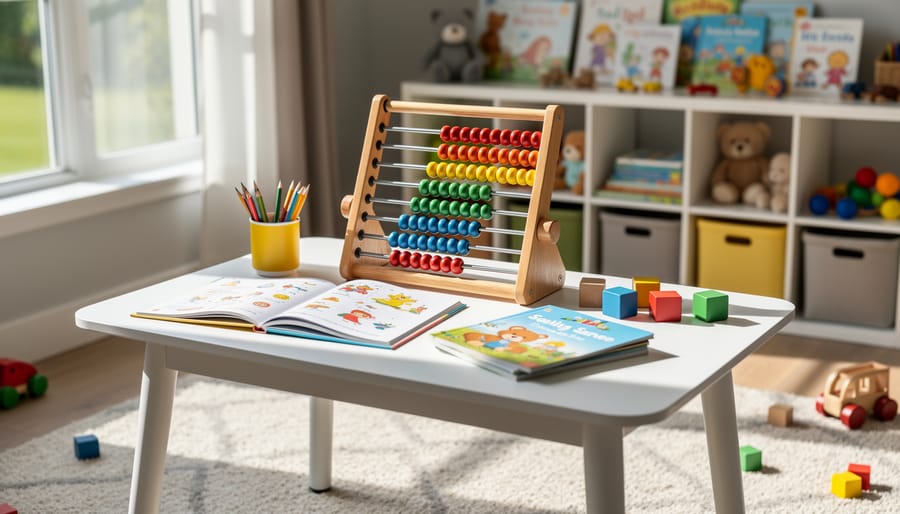
Abacus furniture works surprisingly well in multiple rooms, serving different purposes depending on where you place it. The key is matching the piece’s function to the room’s use while considering how it complements your existing décor.
In playrooms and children’s bedrooms, abacus furniture shines as an educational tool that kids actually want to use. A low coffee table with an abacus top becomes a natural gathering spot for math games and counting practice. Position it near natural light where children can comfortably sit on floor cushions or small chairs. The tactile nature of sliding beads makes learning feel like play rather than work.
Living rooms offer opportunities to showcase abacus furniture as a conversation piece. A console table featuring an abacus element along its length adds visual interest without overwhelming the space. Look for pieces where the abacus component complements your color scheme, natural wood tones work with most palettes, while painted beads can echo accent colors in your pillows or artwork. Place these pieces where guests naturally congregate, like behind a sofa or in an entryway.
Home offices benefit from smaller abacus pieces that double as desk accessories. A desktop organizer with an integrated abacus serves as both a functional tool and a stress reliever during intense work sessions. The repetitive motion of moving beads provides a brief mental break similar to fidget toys, but with more visual appeal.
For nurseries, choose abacus furniture with larger beads and smooth, rounded edges. A changing table with an abacus sidebar gives older babies something engaging to focus on during diaper changes, while toddler-height pieces encourage independent exploration and fine motor skill development.
The style works best when you treat it as an intentional design choice rather than trying to hide it. Abacus furniture naturally leans toward mid-century modern or Montessori-inspired aesthetics, but clean lines and quality craftsmanship help it adapt to most contemporary interiors.
DIY vs. Commissioned Pieces: What to Consider
Deciding between building your own abacus furniture or hiring a skilled craftsperson depends on several practical factors. Your woodworking experience matters most. If you’ve successfully completed intermediate projects involving precise joinery and hardware installation, a simple abacus coffee table might be within reach. However, pieces with multiple moving parts or intricate frame designs demand advanced skills that take years to develop.
The tool investment can be substantial. You’ll need a drill press for perfectly aligned rod holes, clamps for glue-ups, saws for clean cuts, and finishing equipment. For a single project, this outlay often exceeds what you’d pay a professional, making the direct buy vs retail decision relevant even in custom furniture contexts.
Pros
- Complete creative control over dimensions, wood species, and design details
- Cost savings if you already own woodworking tools and have the skills
- Personal satisfaction and learning experience from building a unique piece
- Ability to customize the abacus element for specific educational needs
Cons
- Steep learning curve if you lack experience with precision drilling and joinery
- Time commitment of 20-40 hours for a quality piece, plus finishing time
- Risk of wasted materials and frustration if the bead mechanism doesn’t work smoothly
- Professional pieces typically offer superior structural integrity and refined details
Time is another consideration. A commissioned piece arrives finished in weeks, while DIY projects stretch across weekends or months. Consider commissioning work when you need heirloom quality, complex designs with multiple abacus panels, or pieces that integrate with existing furniture. DIY makes sense for straightforward designs, when you genuinely enjoy the building process, or for learning projects where imperfections become part of the story.
Maintenance and Care Tips
Keeping your abacus furniture functional and beautiful requires regular attention to both the wooden frame and moving parts. The good news is that with simple habits, these pieces can last generations.
Start with the basics: dust weekly using a soft, dry cloth to prevent buildup in the bead channels. For the wooden frame, follow standard practices to clean wood safely without damaging the finish. Many woodworkers also recommend vinegar cleaning for stubborn spots, though always test in an inconspicuous area first.
The beads themselves need occasional cleaning. Remove them from the rods once or twice a year, wash with mild soap and water, then dry thoroughly before restringing. While you have them off, wipe down the rods with a slightly damp cloth to remove any residue that might impede smooth movement.
Stuck beads usually signal accumulated grime or humidity issues. A light application of beeswax or furniture polish on the rods can restore smooth gliding. Loose beads, on the other hand, often mean the rod caps need tightening or the beads themselves have worn and need replacing.
Seasonal changes matter too. Keep abacus furniture away from heating vents and direct sunlight, which can cause wood to contract or expand. In dry winter months, a room humidifier prevents cracking. With this straightforward care routine, your abacus furniture stays both functional and attractive.
Abacus furniture represents something increasingly rare in our homes: pieces that spark curiosity while serving a genuine purpose. Whether you’re drawn to the clean lines and kinetic beauty of sliding beads, the educational opportunities for young learners, or simply the craftsmanship required to build functional furniture with moving parts, these pieces offer conversation and connection that typical furniture can’t match.
The beauty lies in versatility. A coffee table becomes a teaching moment. A desk accessory transforms into a stress-relief tool during long work sessions. A nursery piece grows with your child from visual stimulation to counting practice.
If you’re considering adding abacus furniture to your home, whether through a DIY weekend project or commissioning a local craftsperson, you’re joining a small but passionate community keeping this intersection of tradition and function alive. The learning curve for builders is manageable, and the satisfaction of creating something both beautiful and interactive makes the effort worthwhile.
We’d love to hear about your experiences with abacus furniture. Have you built your own piece? Discovered creative uses beyond counting? Share your projects and insights in the comments below, your experience might inspire someone else’s next woodworking adventure.