

Four Hands has carved out a distinctive position in the premium furniture market since its founding, offering globally-inspired designs that blend modern aesthetics with artisan craftsmanship. If you’re considering a Four Hands purchase in 2026, you’re looking at pieces that typically range from $500 for accent items to over $5,000 for statement furniture, positioning the brand firmly in the upper-mid to luxury segment.
The real question isn’t just whether Four Hands creates beautiful furniture (they do), but whether their pieces deliver value that justifies the price tag for your specific needs. This brand sources materials from around the world and works with skilled craftspeople to produce furniture that stands apart from mass-market offerings. You’ll find reclaimed woods, hand-finished metals, and unique silhouettes that can transform a room.
But premium pricing comes with expectations. Before you invest, you need clarity on what you’re actually getting: construction quality that lasts, return policies that protect your purchase, and maintenance requirements that fit your lifestyle. Many homeowners discover too late that certain finishes demand more care than anticipated, or that return windows are tighter than expected.
This guide walks you through everything from assessing Four Hands’ build quality and design philosophy to understanding the fine print on warranties and returns. We’ve gathered insights from furniture experts and real customer experiences to help you make a confident decision. You’ll also find practical cleaning and maintenance advice to protect your investment for years to come.
What Makes Four Hands Furniture Stand Out in 2026
Four Hands has carved out a distinctive position in the contemporary furniture market by committing to a design philosophy rooted in global sourcing and artisan craftsmanship. The brand specializes in mid-century modern aesthetics with an eclectic twist, drawing inspiration from vintage silhouettes while incorporating reclaimed and sustainable materials that give each piece authentic character. Unlike mass-produced furniture, Four Hands pieces often feature hand-finished details and materials sourced from around the world, particularly India and Southeast Asia, where skilled craftspeople bring their traditional techniques to contemporary designs.
The brand’s signature approach combines several elements that set it apart from typical furniture retailers:
- Use of reclaimed and sustainably sourced woods, including walnut furniture mango, and teak with visible grain patterns and natural imperfections
- Hand-applied finishes and distressing techniques that create one-of-a-kind variations between pieces
- Mid-century modern silhouettes blended with industrial, rustic, and global-inspired design elements
- Mixed-material construction combining wood, metal, leather, and natural fibers in single pieces
- Artisan partnerships that prioritize traditional joinery and hand-craftsmanship over automated production
What truly differentiates Four Hands is their embrace of material authenticity. You won’t find particleboard veneered to look expensive. Instead, they use solid wood construction, genuine leather upholstery, and hand-forged metal accents. The reclaimed wood pieces showcase the material’s history through knots, nail holes, and color variations that manufacturers typically sand away.
This commitment to authentic materials and global artisan partnerships positions Four Hands in the premium tier of the contemporary furniture market. They occupy a space between affordable mass-market brands and ultra-luxury custom furniture makers, appealing to homeowners who value distinctive design and material quality but don’t require bespoke creations. The mid-century modern aesthetic remains their cornerstone, but they’ve expanded to include industrial loft styles, organic modern looks, and pieces with bohemian flair that reflect their international sourcing.

Understanding the Price Point: What You’re Actually Paying For
When you shop for Four Hands furniture, you’re investing in pieces that typically command a premium compared to mass-market alternatives. Understanding what drives that cost helps you determine whether the investment makes sense for your home.
The pricing reflects several distinct components. First, the design itself carries value. Four Hands collaborates with independent designers and artisans to create pieces with genuine mid-century modern character rather than generic reproductions. You’re paying for originality and aesthetic sophistication that stands apart from cookie-cutter showroom furniture.
Material selection significantly impacts cost. Four Hands emphasizes natural materials like reclaimed wood, genuine leather, and solid hardwoods rather than veneers or particle board. Reclaimed wood pieces, popular in their collection, require additional sourcing and preparation work. That aged barn wood or salvaged timber costs more to acquire and process than fresh lumber, but it delivers authentic texture and environmental benefits that appeal to conscientious homeowners.
Construction quality represents another price factor. Many Four Hands pieces feature mortise-and-tenon joinery, hand-applied finishes, and attention to structural integrity that extends furniture lifespan. This level of craftsmanship takes more time and skill than assembly-line production, which translates to higher manufacturing costs passed along to buyers.
Brand positioning also plays a role. Four Hands occupies a specific niche in the contemporary furniture market, targeting homeowners who want designer aesthetics without custom furniture prices. They’re priced above mainstream retailers but below ultra-luxury brands, creating what the industry calls “accessible luxury.” You’re partly paying for that curated brand identity and the assurance that your furniture reflects current design trends.
The question becomes whether these elements justify the premium for your situation. If you value distinctive design, prioritize sustainable materials, and plan to keep furniture long-term, the investment calculation shifts favorably. However, if you redecorate frequently or prefer budget flexibility, the cost-benefit analysis might not align with your priorities.
Consider how the furniture will function in your daily life. Premium pricing should deliver not just visual appeal but durability that protects your investment over years of use.
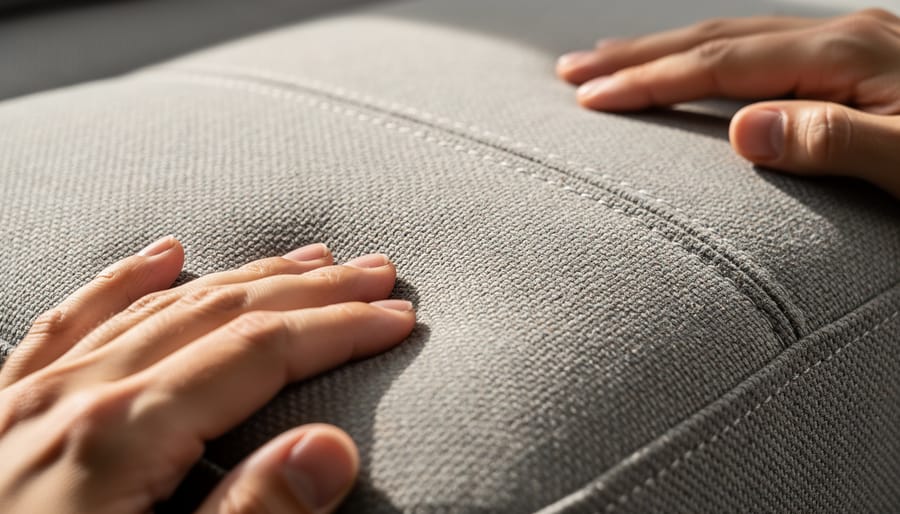
The Return Policy Reality: What Homeowners Need to Know Before Buying
Direct Purchase vs. Third-Party Retailers
Where you buy your Four Hands piece fundamentally changes your return experience. The 30-day RMA window, 20% restocking fee, and customer-paid return shipping apply only when purchasing directly from Four Hands’ website. Buy from an authorized retailer, and those terms no longer govern your return.
Most furniture stores set their own policies. Some waive restocking fees, others extend return windows to 60 or 90 days, and a few include free return shipping on defective items. The catch? You won’t know until you ask. Before committing to a purchase, request the retailer’s specific return policy in writing, particularly regarding restocking fees and who pays for return freight on a large sofa or dining table.
This becomes especially important for international buyers, since Four Hands doesn’t accept international returns on direct purchases. Shopping through a local retailer in your country might be your only path to a workable return option.
The tradeoff is availability. Four Hands’ website displays their complete catalog, while retailers stock what sells in their market. If you’ve fallen for a specific piece only available online, you’re accepting the stricter return terms. Weigh that limited flexibility against the security of a more generous retailer policy when both options exist.

Hidden Costs to Factor In
The 20% restocking fee is just the beginning of your potential costs if a Four Hands piece doesn’t work out. When you return furniture, you’ll absorb the original freight charges, which Four Hands never refunds, plus you’re responsible for arranging and paying all return shipping. For a large sofa or dining table, return freight alone can easily run several hundred dollars.
Here’s a realistic scenario: imagine you purchase a $2,000 credenza, paid $200 for initial delivery, and it doesn’t fit your space. You’ll pay roughly $200 to ship it back, lose the original $200 freight charge, and face a $400 restocking fee (20% of $2,000). Your total loss? Around $800 before you even get your partial refund. That’s nearly half the furniture’s price gone just for changing your mind.
These numbers add up differently for every piece, but the formula stays constant. Before clicking “buy,” calculate worst-case return costs: initial freight plus estimated return shipping plus 20% of the invoice price. If that total feels like too much risk, you might want to view the piece at a local retailer first or reconsider the purchase entirely.
Caring for Your Four Hands Investment: Cleaning and Maintenance

Wood and Reclaimed Wood Pieces
Four Hands’ wood pieces, especially their reclaimed wood tables and consoles, need gentle care to preserve their distinctive patina. Start with regular dusting using a soft microfiber cloth, moving with the grain to avoid scratching the surface. For deeper cleaning, follow standard how to clean wood approaches, using a barely-damp cloth with a drop of mild soap, then immediately drying the surface.
Conditioning is crucial for maintaining the wood’s richness. Apply a quality wood conditioner every three to six months, depending on your home’s humidity levels. Reclaimed pieces with natural imperfections shouldn’t be over-polished, as their weathered character is part of their appeal. Protect surfaces from water rings by using coasters and placemats consistently.
If you notice the finish dulling over time, basic furniture cleaning tips can restore luster without harsh chemicals. For more extensive restoration needs, consult refinish wood tips that respect the original craftsmanship. Given Four Hands’ premium pricing, preventive maintenance pays off better than reactive repairs.
Upholstered Furniture Care
Four Hands frequently uses performance fabrics and top-grain leather on their upholstered pieces, materials that demand different care approaches. For fabric upholstery, vacuum weekly using your furniture attachment to prevent dust from settling into the weave. Address spills immediately by blotting (never rubbing) with a clean, dry cloth, working from the outside edges toward the center to prevent spreading. Test any cleaning solution on a hidden area first, then use a mild detergent diluted in water for most stains. Apply sparingly with a white cloth to avoid dye transfer.
Leather upholstery requires gentler handling. Dust with a soft, dry cloth weekly and wipe down monthly with a slightly dampened microfiber cloth. Condition leather every six to twelve months using a product specifically formulated for furniture-grade leather, which keeps the material supple and prevents cracking. Avoid placing leather pieces in direct sunlight or near heat sources, as both accelerate drying and fading.
For stubborn stains or annual deep cleaning, professional upholstery cleaning is worth the investment on premium furniture. Given Four Hands’ pricing, protecting these pieces through proper maintenance extends their lifespan and preserves your investment far better than attempting aggressive DIY cleaning that might void any coverage or damage specialty finishes.
Metal and Mixed-Material Pieces
Four Hands’ industrial-inspired pieces often combine raw metal frames with wood or glass surfaces, creating a distinctive aesthetic that requires careful cleaning. For metal components, use a soft microfiber cloth dampened with water and a drop of mild dish soap. Wipe in the direction of any brushed finish to avoid creating visible streaks. Never use abrasive scrubbers or harsh chemicals like ammonia or bleach, which can strip protective coatings and accelerate oxidation.
Mixed-material furniture demands strategic cleaning. Clean each material separately rather than using one solution across the entire piece. For instance, when cleaning a coffee table with a metal base and wood top, address the metal first, then switch to a wood-appropriate cleaner for the surface. This prevents cross-contamination and protects each finish.
Protect metal from moisture damage by drying surfaces immediately after cleaning. Water left to air-dry can leave mineral deposits or cause rust spots on uncoated steel. For pieces with powder-coated finishes, avoid scratching the surface, which compromises the protective layer. Apply a thin coat of furniture wax to raw metal accents twice yearly to create a moisture barrier. Keep metal furniture away from humid areas and wipe up spills promptly to maintain the finish quality you paid a premium to acquire.
Real Homeowner Considerations: Pros and Cons
When you’re weighing a premium furniture brand, you need the unvarnished truth about what works and what doesn’t. Four Hands delivers genuine quality in specific areas while presenting real friction points that affect your wallet and peace of mind.
The brand’s mid-century modern pieces showcase authentic craftsmanship you can see and feel. Their use of reclaimed wood, solid construction, and attention to design details creates furniture that looks intentional rather than mass-produced. If you compare premium brands Four Hands holds its ground on aesthetic consistency and material quality.
- Authentic mid-century modern design that doesn’t look derivative or cheaply interpreted.
- Quality materials including genuine reclaimed wood and solid construction methods.
- Distinctive aesthetic appeal that makes a statement in contemporary homes.
- Pieces age well when properly maintained, developing character over time.
- 20% restocking fee on returns significantly increases the cost of changing your mind.
- Non-refundable freight charges mean you lose shipping costs even if you return an item.
- Customers pay all return shipping expenses, which can be substantial for large furniture.
- International buyers cannot return items at all, making purchase decisions final.
- No returns on discontinued or sale items eliminates discounted buying security.
The return policy creates the biggest practical hurdle. That 20% restocking fee isn’t just a number on paper. On a $2,000 sofa, you’re losing $400 before accounting for the freight charges you already paid or the shipping costs to send it back. This policy structure works fine if you’re certain about your choice, but it punishes hesitation or sizing miscalculations.
For homeowners who value design and plan carefully, Four Hands offers furniture worth living with for years. The pieces don’t follow fleeting trends, and the materials justify regular maintenance. But the financial commitment extends beyond the purchase price. You’re betting on your decision being right the first time, because correcting a mistake costs considerably more than with brands offering friendlier return terms.
The material authenticity matters if you care about substance over imitation. Reclaimed wood carries real history and texture that veneer can’t replicate. Mixed-material pieces combine wood, metal, and upholstery with intentional design rather than gimmicky combinations. This isn’t furniture pretending to be something it’s not.
Who Should (and Shouldn’t) Invest in Four Hands
Four Hands furniture makes sense for homeowners who have a genuine passion for mid-century modern design and view furniture as a long-term aesthetic investment. If you’re furnishing a space where design authenticity matters, you appreciate quality materials like reclaimed wood and natural finishes, and you’re committed to maintaining your pieces properly, this brand delivers what you’re paying for. Homeowners who carefully plan purchases, rarely return items, and can absorb the financial commitment without buyer’s remorse will find the investment worthwhile.
This brand also suits those creating cohesive design schemes where each piece matters. If you’re working with an interior designer or building a curated collection over time rather than furnishing quickly, Four Hands offers distinctive options that won’t look dated in a few years.
However, Four Hands isn’t ideal for everyone. Skip this brand if you’re furnishing your first home on a tight budget or need flexibility to change your mind. The 20% restocking fee and non-refundable shipping costs make returns expensive, so uncertain buyers face real financial risk. If you tend to purchase multiple options intending to return what doesn’t work, those costs add up fast.
Families with young children or pets should think twice unless they’re prepared for intensive maintenance. The natural materials and finishes that make these pieces beautiful also require careful upkeep. Similarly, if you redecorate frequently or view furniture as temporary, the premium pricing doesn’t align with that approach.
International buyers should look elsewhere entirely, since Four Hands doesn’t accept returns from outside the country. You’re making a final decision with zero recourse if the piece doesn’t work in your space.
Expert Tips from the Gage Furniture Community
Our community of furniture enthusiasts and design professionals has accumulated valuable insights about navigating premium furniture purchases. Interior designer Maria Chen, who has specified Four Hands pieces for clients since 2019, emphasizes measuring twice and visualizing scale: “Use painter’s tape on your floor to outline the exact footprint before ordering. Mid-century pieces often look smaller in showroom settings than they actually are in home spaces.”
Furniture specialist James Rodriguez recommends building relationships with authorized retailers rather than buying direct. “Local retailers often negotiate return terms and handle freight logistics, saving you from those non-refundable shipping costs and 20% restocking fees. They want repeat business, which gives you leverage Four Hands won’t offer.”
Experienced homeowners consistently advise ordering samples when possible. Lisa Patterson learned this lesson the hard way: “I bought a dining table based on online photos, and the reclaimed wood finish looked completely different in my north-facing room. Request wood or fabric swatches first, even if you pay a small fee. It’s cheaper than returning a full piece.”
For maintenance, our community swears by preventive care. Keep furniture away from direct sunlight to prevent fading, use coasters and placemats religiously, and establish a monthly dusting routine with microfiber cloths. Several members recommend professional cleaning for upholstered pieces annually rather than waiting for visible damage.
The consensus? Do your homework, inspect pieces thoroughly upon delivery, and document everything during that critical 30-day return window.
Four Hands furniture offers genuine mid-century modern design and quality materials, but whether it’s worth the premium depends heavily on your specific situation. If you love the aesthetic, have room in your budget for the investment, and you’re confident in your selections, this brand delivers authentic craftsmanship that can anchor a room for years.
The catch? That 20% restocking fee and customer-paid return shipping mean you can’t afford to guess wrong. Before purchasing, measure carefully, request samples when possible, and visit showrooms to see pieces in person. Factor maintenance into your decision too, proper care protects your investment and keeps these pieces looking fresh.
For homeowners who prioritize distinctive design and can commit to their choices, Four Hands justifies the cost. But if you need flexibility or you’re uncertain about fit, the restrictive return policy makes this a risky purchase.
We’d love to hear from Four Hands owners in our community. What’s been your experience with quality, delivery, and long-term satisfaction? Share your insights in the comments to help fellow homeowners make smarter furniture decisions.